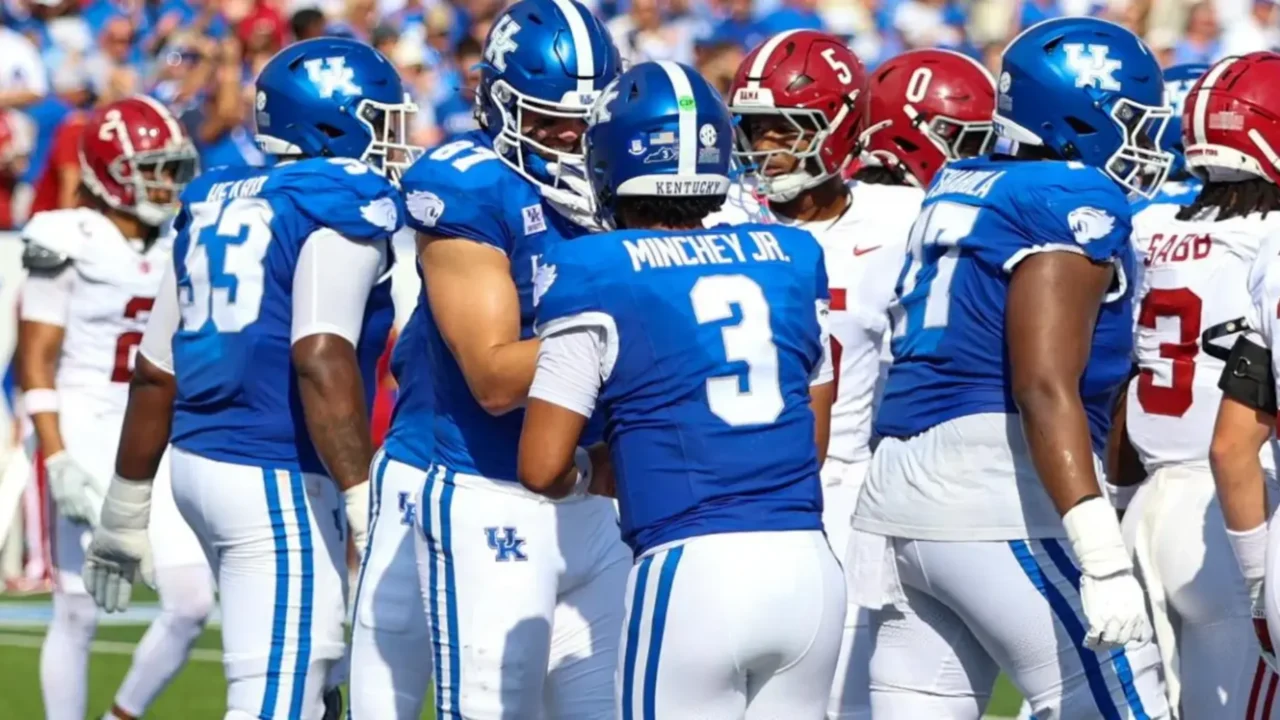
The Will Stein offense looked painfully familiar in a 45-17 beatdown, and the high-energy moment when Will Stein led the C-A-T-S chant on a stool for SEC Nation felt like a long way from the final whistle as A Sea Of Blue chronicled.
Kentucky led 17-13 at halftime and had the crowd believing. The second half turned sharply in Alabama’s favor and the offense never recovered.
Key Takeaways
- Kentucky finished the game with 209 total yards of offense, a season-low output in front of the home crowd.
- The Wildcats gained just 57 yards and went 0-for-6 on third downs in the second half, a collapse that flipped control to Alabama.
- Will Stein called a fake punt deep in Kentucky’s own half that resulted in Henry Boyer being stopped and swung momentum decisively.
Why the Will Stein offense collapsed after halftime
The shift began early in the third quarter when Alabama scored its first offensive touchdown with roughly three minutes remaining in the period, turning a one-possession game into a momentum swing. Kentucky’s response included a high-risk fake punt call deep in its own territory, and Henry Boyer was stopped on the play.
That single decision became the hinge point. After the fake punt, Alabama’s attack tightened and Kentucky’s offense went stagnant, producing only 57 yards across the entire second half while failing repeatedly on third down.
The second-half breakdown was not limited to play selection; it was visible in the drives themselves. Kentucky had productive possessions in the first half, including a long, sustained drive for a touchdown, but the third quarter featured short series, negative plays and an inability to convert in obvious situations.
Second half collapse and pivotal calls
The fake punt call is the clearest example of aggressive strategy that backfired. With field position tilted toward Kentucky’s end, the punt attempt that became a fake gave Alabama a short field and immediate scoring opportunity.
Alabama’s first offensive touchdown late in the third quarter erased the halftime lead and forced Kentucky into reactive play-calling. From that point, the offense lost balance and rhythm, and conservative attempts to regain footing failed to move the chains.
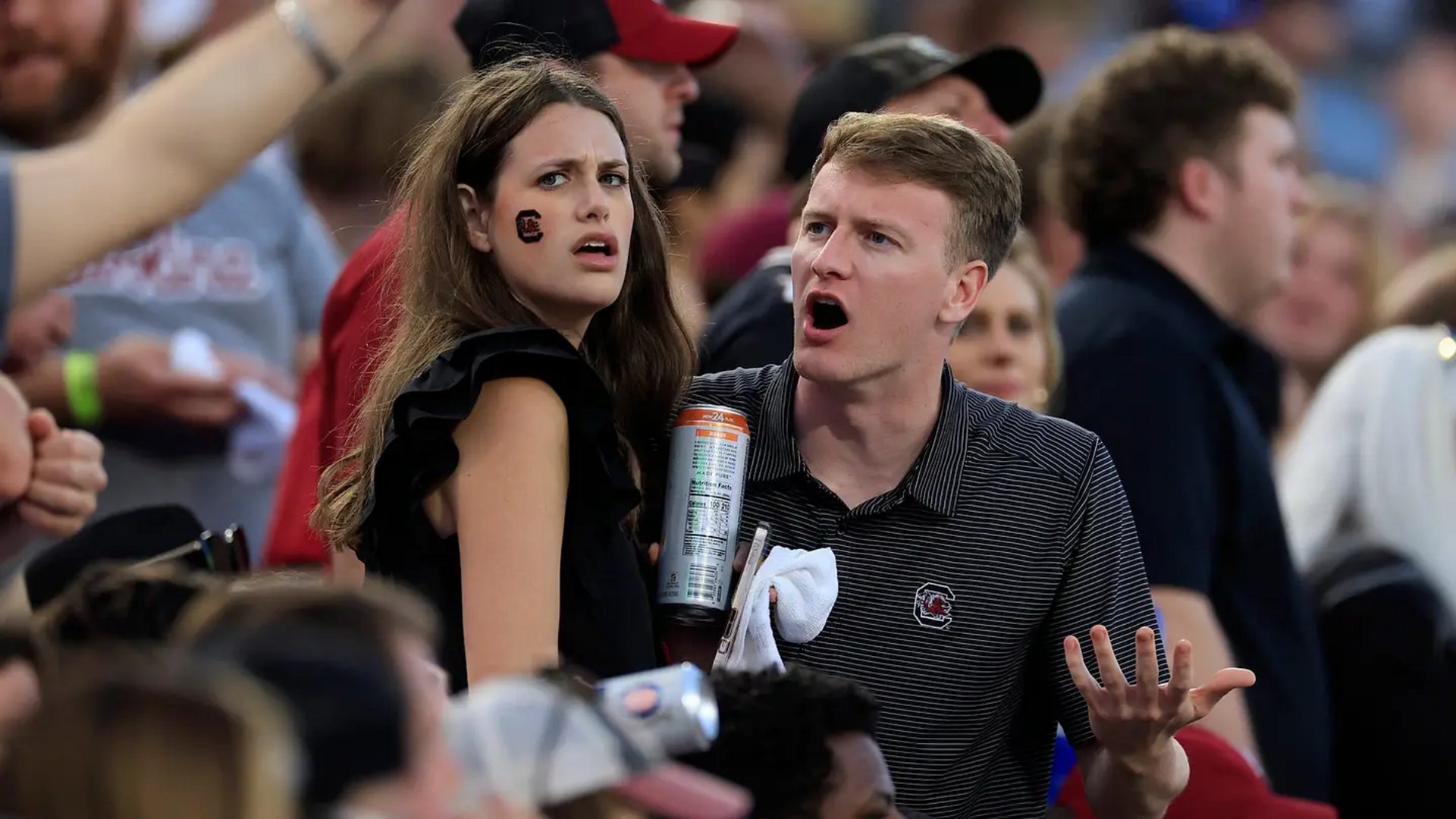
Fans left early as Alabama extended the margin, and what had started as a promising home performance deteriorated into a rout that exposed schematic and execution shortfalls for the offense.
Drive chart breakdown
The contrast between halves is stark when you map drives rather than rely on a single box-score number.
First-half drives included a 14-play, 83-yard touchdown series and other possessions that sustained momentum and produced points. Those sequences showed the offense operating with patience and occasional success.
Starting in the third quarter, however, drive results fell into a pattern of three- to five-play series with negative or minimal yardage, shown in a run of short possessions that averaged only a few minutes each and failed to flip field position.
Third-quarter drive sequence
Third-quarter possessions compiled a run of short outcomes: a 5-play, 13-yard series; a 3-play, minus-4-yard series; a 4-play, 9-yard series; a 3-play, 3-yard series; an 8-play, 18-yard series; and another 3-play, 18-yard series. Those stops and short returns illustrate the offense’s inability to sustain drives after halftime.
First-half drive sequence
First-half possessions included a 6-play, 31-yard series; a 3-play, 4-yard series; the 14-play, 83-yard touchdown drive; a 5-play, 9-yard series; a 3-play, 2-yard series; and a 9-play, 33-yard field-goal sequence. The first half showed closer-to-acceptable situational play, but the second-half swing overwhelmed those gains.
Drive and historical comparison
| Context | Offensive output comparison |
|---|---|
| Will Stein’s outing vs Alabama | Produced a substantially lower total offense and shorter, less productive possessions than Kentucky’s recent ranked-match performances under the previous regime. |
| Mark Stoops’ recent games against ranked SEC opponents | Listed outputs in those matchups were consistently higher, creating a visible gap when compared to this game’s production under Stein. |
The comparison matters because the program invested in offensive continuity and upward trajectory, yet this game’s totals sit below what fans and staff would expect when matching up with ranked SEC opponents. That gap is what fuels criticism of play-calling and situational decisions such as the late fake punt call.
SEC recruiting and roster questions for Kentucky Wildcats
There are immediate recruiting optics to a loss like this. Prospects and their evaluators study game tape, and an outing that shows stagnant third-down efficiency and risky special-teams choices raises questions about offensive identity and stability.
Roster construction also comes into focus. Kentucky needs consistent short-yardage reliability, better third-down conversions, and depth that can absorb in-game momentum swings.
Finally, the Will Stein offense has to reestablish trust within the fan base and with the roster. The staff will face pressure to demonstrate in weekly preparation that play-calling and situational decision-making have clearer guardrails, because SEC margins are rarely forgiving.
This analysis leans on the original reporting linked above.