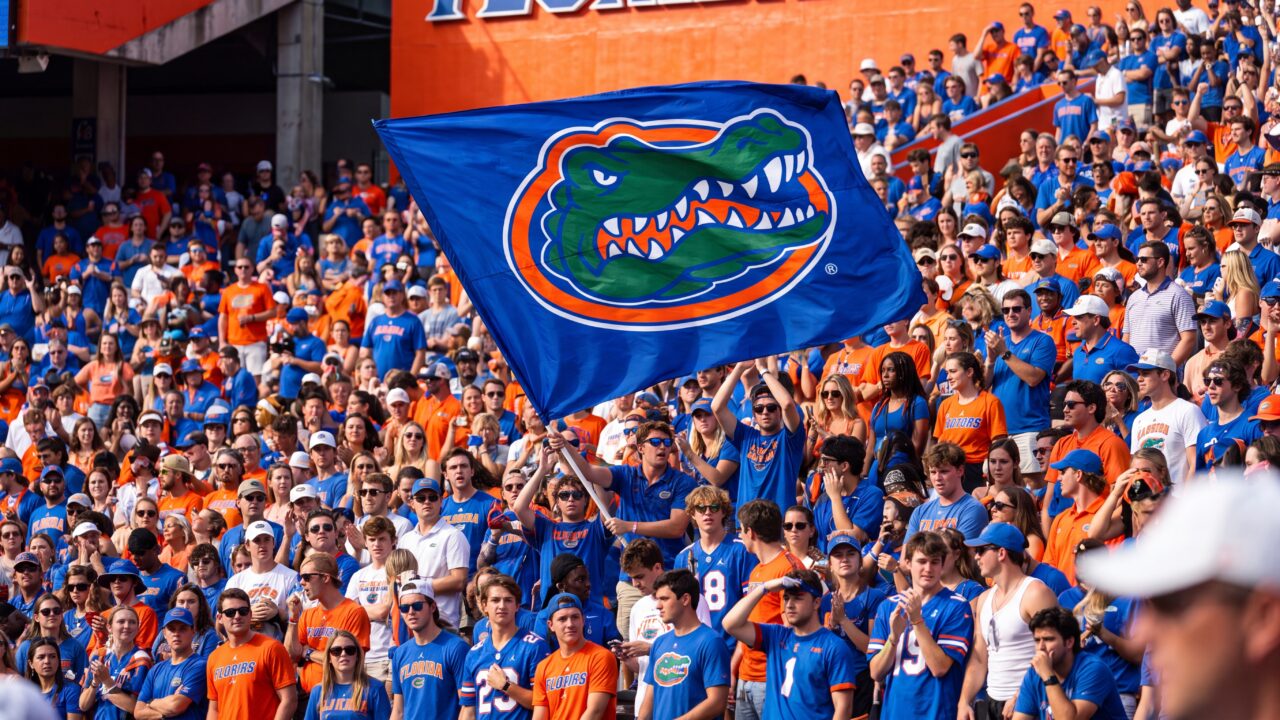
David Pollack delivered a bullish read on the Florida Gators Jon Sumrall Year 1 outlook, arguing the program could be competitive in 2026. Pollack framed his view around Sumrall’s track record, the addition of Buster Faulkner to the staff and a core of returning players that can shorten the rebuild timeline.
On his See Ball Get Ball podcast Pollack broke down why Florida matters as it transitions into a new era and why fans should raise expectations; read the full reporting at Saturday Down South for the full context. He cited both staff continuity and identified contributors when projecting an earlier-than-expected uptick.
Key Takeaways
- David Pollack said Florida will be dangerous in Year 1 and credited Jon Sumrall’s consistent winning at his previous stops as a major reason for optimism.
- Pollack highlighted the offseason addition of Buster Faulkner and noted Faulkner’s work at Georgia and later as an offensive coordinator at Georgia Tech.
- Florida’s quarterback competition features Georgia Tech transfer Aaron Philo and returning backup Tramell Jones Jr. with Philo viewed as the early favorite due to ties to Faulkner.
- Prediction-market context shows Florida’s 2026 regular-season win probabilities on Kalshi at 7+ wins 64%, 8+ wins 43%, 9+ wins 28% and 10+ wins 15%.
Florida Gators Jon Sumrall Year 1 expectations
Pollack framed his projection around Sumrall’s body of work, saying the coach has been a consistent winner in each of his prior four seasons at Troy and Tulane. He used that history to argue the program won’t need a multiyear grace period to be competitive again.
Staffing additions were central to Pollack’s argument, and he specifically praised Buster Faulkner’s resume, noting Faulkner coached at Georgia and later served as Georgia Tech’s offensive coordinator. Pollack argued that combination of a proven head coach and an accomplished offensive architect narrows the learning curve for personnel on offense.
On the roster side Pollack called out returning contributors Jadan Baugh, Vernell Brown, Myles Graham and Dallas Wilson as pieces that provide immediate continuity. Those names, he said, give the coaching staff a platform to build on rather than starting entirely from scratch.
Quarterback competition and offensive fit
Pollack drilled into the quarterback picture, listing Georgia Tech transfer Aaron Philo and returning backup Tramell Jones Jr. as the main contenders for the job. He described Philo as the early favorite to win the job out of fall camp, a status Pollack attributed to Philo’s ties to Buster Faulkner.
At the same time Pollack cautioned that neither option offers substantial collegiate starting experience, which frames the position as one that could be decisive in close games. That inexperience increases the importance of play-calling, protection schemes and quick development during camp.
Faulkner’s presence shapes the offensive expectations; Pollack suggested Faulkner’s background designing balanced, aggressive attacking concepts could help a young quarterback take fewer risks and make more productive decisions with the ball. That scheme fit is a core part of why Pollack expects offense-driven gains in Year 1.
Kalshi win market and roster context
| Context | Detail |
|---|---|
| Kalshi 2026 regular-season win probabilities | 7+ wins 64%; 8+ wins 43%; 9+ wins 28%; 10+ wins 15% |
| Roster continuity and schedule markers | Several returning contributors provide continuity; Florida opens the season vs. FAU on Sept. 5, a date that sets an early bar for tangible progress |
SEC recruiting and College Football Playoff implications
Pollack’s projection carries clear recruiting and roster-building ramifications inside the SEC because Year 1 momentum can alter class conversations and transfer market positioning. A visible improvement in 2026 would help Florida’s pitch to both high-school prospects and portal targets focused on immediate playing opportunities.
On the CFP side, a one-year step forward won’t guarantee playoff access, but it can move Florida from a rebuilding candidacy into contention for a strong divisional finish in the expanded SEC format. That change would affect future scheduling leverage and the program’s visibility in national recruiting discussions.
Reporting credit goes to Spenser Davis and the original episode of David Pollack’s See Ball Get Ball podcast for the quotes and context used in this story.