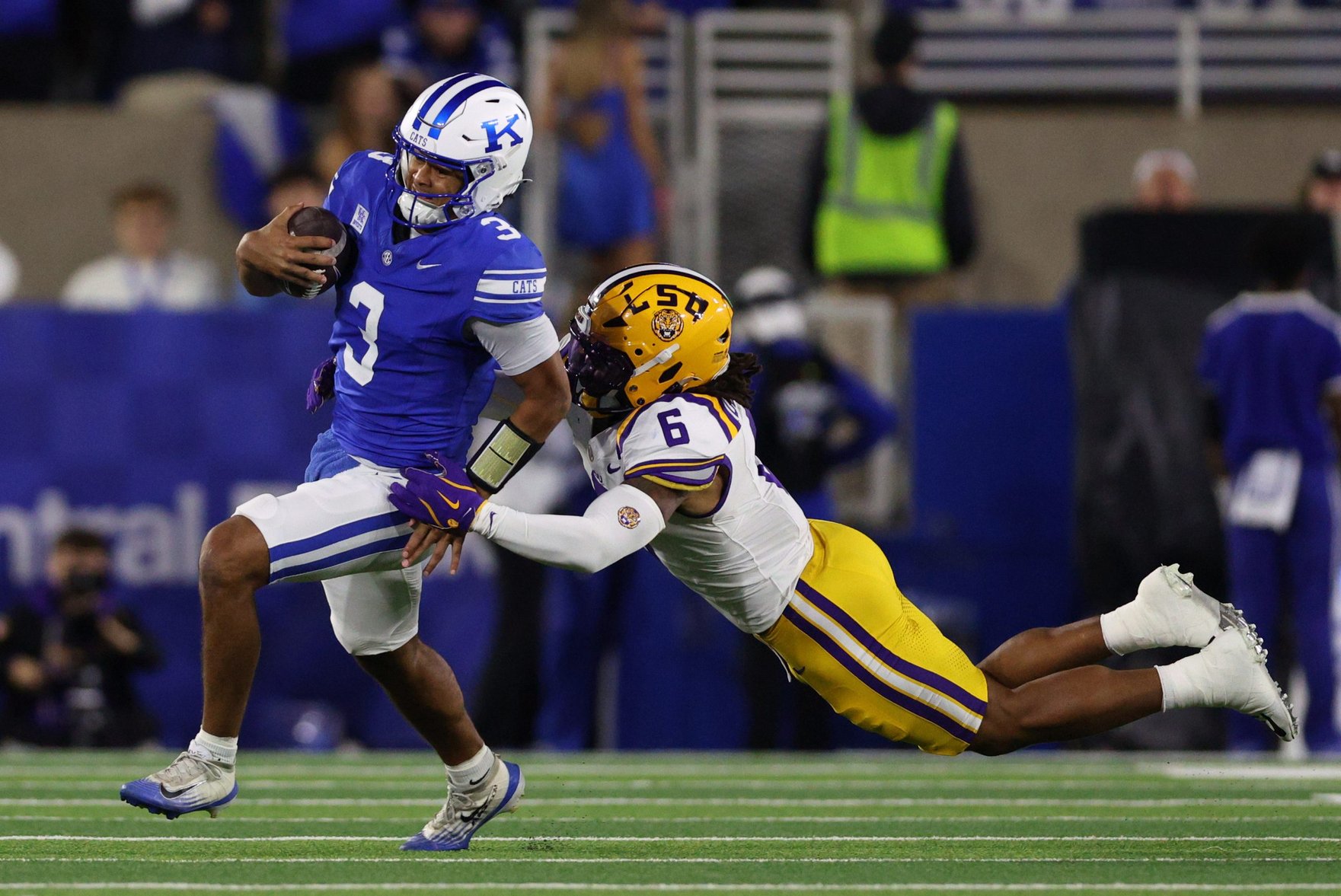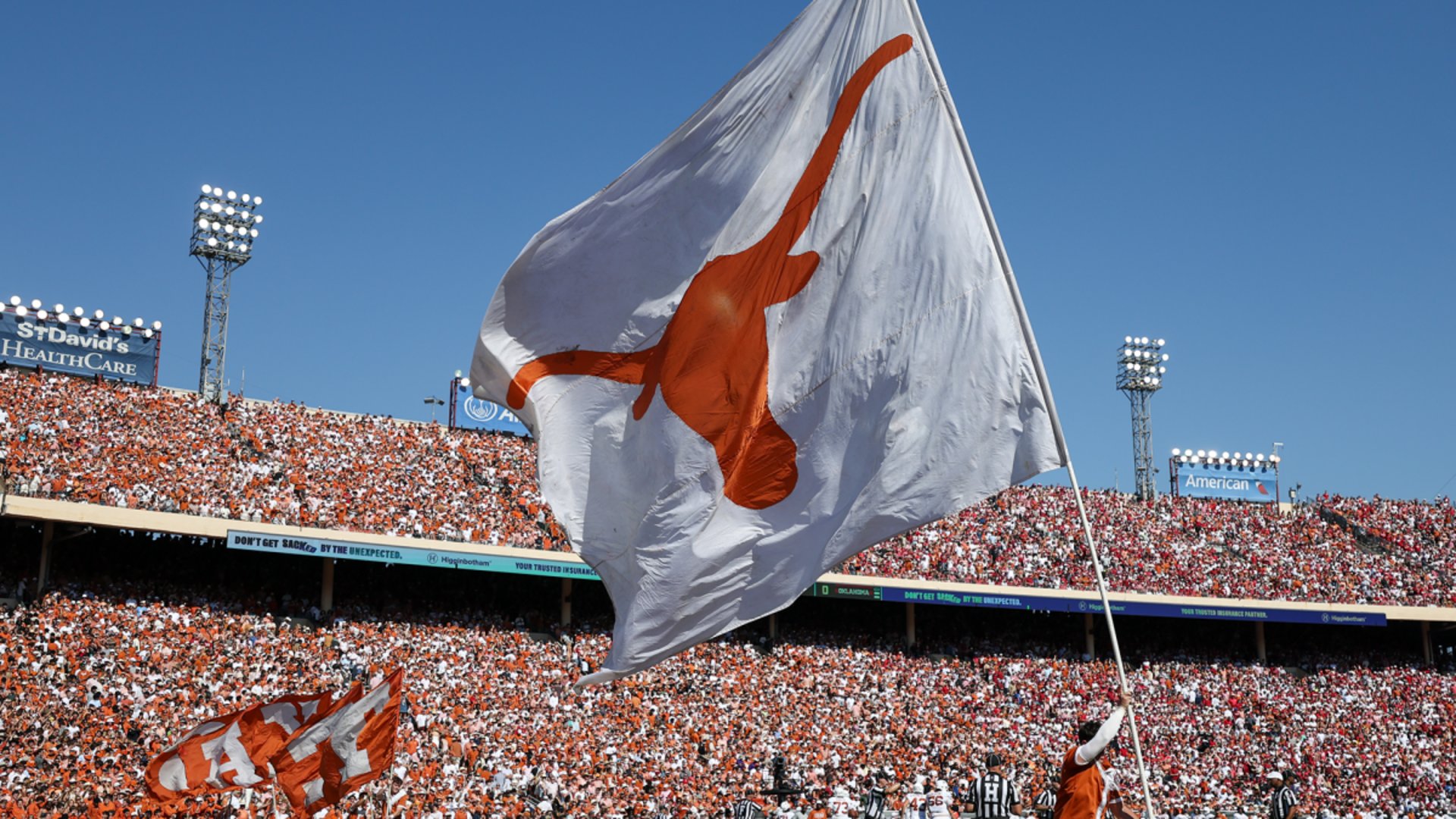

The SEC’s biggest recruiting story this summer is straightforward: Texas and Texas A&M now sit in ESPN’s top tier, a designation that crystallizes momentum as the cycle heads into the fall. Texas and Texas A&M tier 1 recruiting sits at the front of class chatter because both programs turned summer commitments into immediate roster leverage.
ESPN’s Eli Lederman framed the tiers using class ranking and recent momentum, and his rundown — summarized from Saturday Down South — places the Longhorns and Aggies alongside national powers such as Notre Dame, Ohio State and Oregon. That placement matters for perception, recruiting chatter and in-game roster planning for the coming seasons.
Key Takeaways
- ESPN placed both Texas and Texas A&M in a top-tier group based on class ranking and summer momentum.
- Texas entered the summer with the No. 3 ESPN class and added 12 commitments during the spring and summer window.
- Texas A&M holds the consensus No. 1 class for 2027 and added nine spring/summer commitments while totaling 26 pledges in the cycle so far.
- ESPN Research projects Texas would lead the nation in blue-chip defenders added over the past three cycles if current SC Next 300 commitments hold.
Why Lederman placed Texas and Texas A&M tier 1 recruiting
Lederman’s tiers were less about a single metric and more about the combination of class ranking and forward momentum. For programs in the SEC, a string of high-profile commitments in June and July can be treated almost like on-field production: it changes the expectation set for depth charts and positional battles.
Texas earned its slot by combining elite defensive pickups with volume, grabbing 12 commitments in the late period that included multiple top-100 defenders. Texas A&M’s position came from a different pattern: a No. 1 consensus class that paired national-level five-star targets with consistent additions that bolstered an already sizable pledge list.
Key commits and reclassification impact
On the Longhorns’ side, the headliner is cornerback John Meredith III, listed very high in the national rankings and reported to be planning an early reclassification to enroll with Texas in 2026. That kind of calendar shift can accelerate a program’s development curve and affect immediate competition at the position group level.
Texas also added a trio of other top-100 defenders in the same recruiting window, which matters because defensive back and front-seven depth are central to how head coaches allocate early playing time. For A&M, recent additions include multiple top offensive-line and skill-player five-star commitments that reshape the class profile and give the staff a potential historic five-star haul if trends continue.
Blue-chip defender comparison across programs
| Program | Blue-chip defenders added (past three cycles) |
|---|---|
| Texas | 24 |
| Oregon | 19 |
| Ohio State | 18 |
| Georgia | 17 |
| LSU | 14 |
| Alabama | 12 |
The table above uses ESPN Research’s compiled totals to show how Texas projects relative to national peers when accounting for current SC Next 300 commitments. Those defensive totals highlight why Lederman’s tiering treated the Longhorns as a program with sustainable defensive pipeline strength.
How this shifts SEC recruiting and rivalry stakes
For the SEC, two programs in one division sitting in a tier labeled among the national elite raises the stakes for the rest of the conference. Both classes feed roster construction and depth planning that matter on November gamedays and when staffers make scholarship and position-group decisions into the midterm of the decade.
The Texas–Texas A&M rivalry gains recruiting subtext because the teams close the regular season against each other in Austin on Nov. 27. A&M’s five-star accumulation and Texas’s defensive haul mean the late-season meeting is likely to feature rosters stocked by recent class momentum, which could influence College Football Playoff positioning over the next few seasons.
Staffs at peer SEC programs will note both the class volume and the types of players added: Texas’s group skews toward blue-chip defenders, while Texas A&M’s additions have included multiple high-end offensive linemen and skill prospects. That contrast affects how each program approaches internal development, early enrollee rotations and matchup planning against conference opponents.
Recruiting status also shapes narrative leverage in NIL discussions and transfer-market positioning, even though the immediate financials are not part of Lederman’s tier description. The perception of elite classes simplifies messaging to recruits and can sway late-cycle decision-making for prospects weighing depth charts and early playing time.
This analysis draws from Eli Lederman’s ESPN tiering report.