The Georgia-Alabama missed pass interference call came with the Bulldogs protecting a three-point lead and Alabama threatening in the final four minutes. KJ Bolden made contact with Rico Scott before Keelon Russell’s end-zone throw arrived, but the officials did not flag pass interference. The disputed play and Finebaum’s criticism are detailed by CFB-HQ On SI.
Georgia left Tuscaloosa with a 20-17 win. Finebaum called the decision terrible and asked for an explanation from the SEC office, while the late-game sequence also included a Georgia sack, an Alabama punt and a personal foul.
Key Takeaways
- KJ Bolden contacted Rico Scott before Russell’s end-zone pass arrived, but officials did not call pass interference.
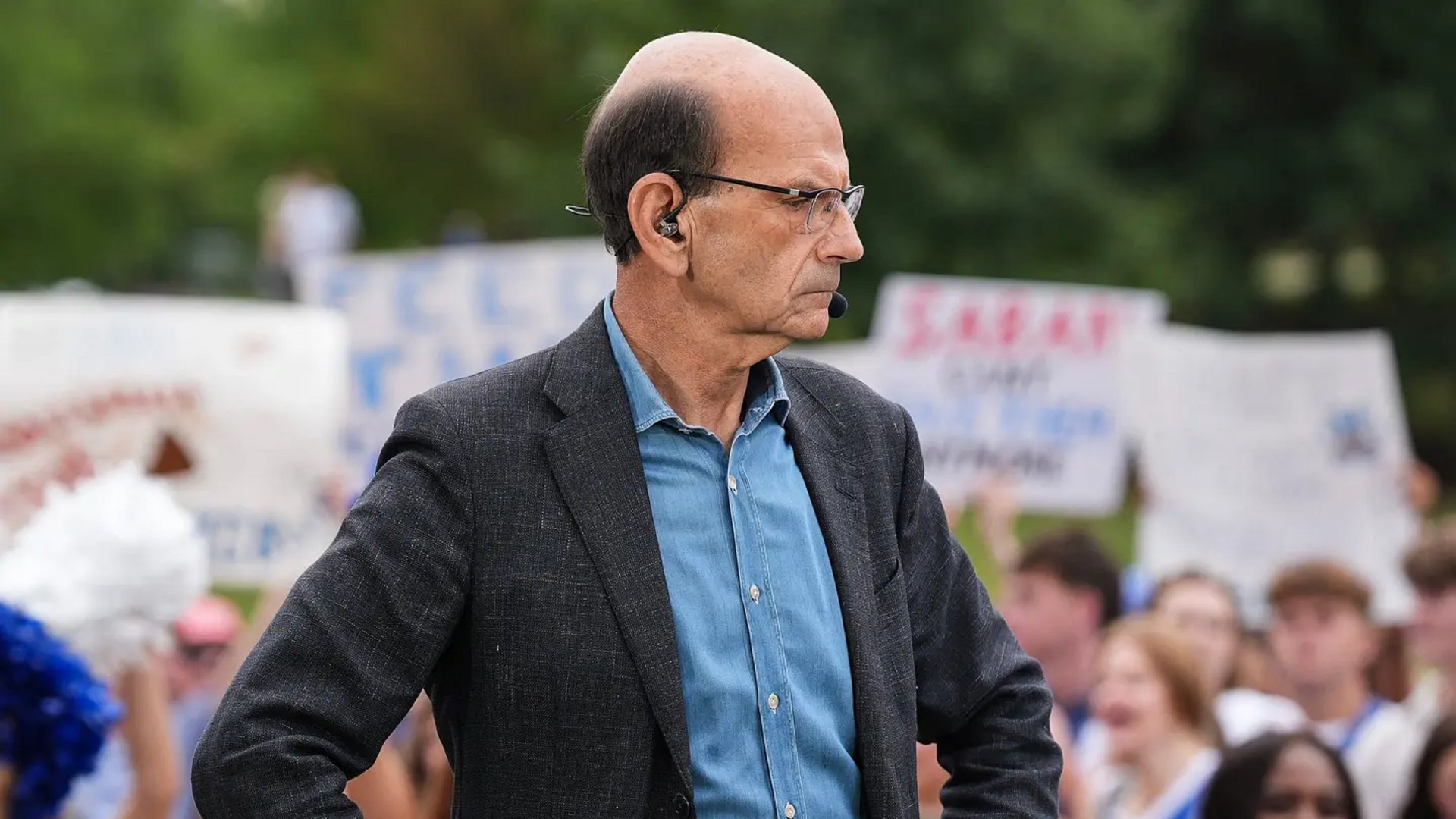
- Broadcast rules analyst Matt Austin said the contact merited a flag, while Paul Finebaum called the decision terrible and sought an SEC office explanation.
- Bolden and Valdin Sone combined for a sack, Alabama punted and did not regain possession, and Georgia kneeled out the clock.
- Finebaum argued the no-call changed the outcome, but that is his opinion rather than a proven result of the play.
Why the Georgia-Alabama Missed Pass Interference Call Became the Defining Debate
With under four minutes remaining, Russell threw toward Scott in the end zone. Bolden made contact before the ball arrived, but the officials kept their flags down. The no-call left the play without a pass-interference penalty.
Matt Austin, the rules analyst on the broadcast, said the contact merited a flag. His assessment was distinct from the officials’ ruling, which remained a no-call. That difference between a broadcast rules opinion and the decision on the field became central to the postgame discussion.
Finebaum called the decision terrible and asked the SEC office to explain it. He also argued that the call changed the outcome. That claim is his view of a hypothetical penalty and its possible effect, not a certainty about what Alabama would have done with another opportunity.
Alabama coach Kalen DeBoer said the team had to control what it could control. That comment frames the team’s response without establishing what would have followed if officials had called pass interference.
Georgia’s Late Defensive Stand and Alabama’s Final Possession
After the no-call, Bolden and Valdin Sone combined for a sack. Alabama punted and did not regain possession, leaving Georgia to finish the game with the lead.
With 2:19 remaining, Alabama’s Dijon Lee Jr. was called for a 15-yard personal foul. Georgia then kneeled out the clock to secure the 20-17 victory.
The sack, punt and penalty are part of the actual finish, separate from the disputed end-zone contact. They help describe how the game ended without settling whether the earlier play should have drawn a flag.
What the Box Score Shows About Georgia and Alabama
| Team or player | Verified game production |
|---|---|
| Georgia quarterback Gunner Stockton | 18 of 22 passing for 249 yards |
| Georgia running game | 206 rushing yards; Dwight Phillips Jr. had 120, with Nate Frazier absent |
| Alabama quarterback Keelon Russell | 16 of 30 passing for 185 yards, one touchdown and 41 rushing yards |
Georgia’s figures show contributions through both the passing and running games: Stockton completed 18 of 22 passes, and the Bulldogs rushed for 206 yards. Phillips accounted for 120 of those rushing yards, with Frazier absent.
Russell completed 16 of 30 passes for 185 yards and one touchdown, and added 41 rushing yards. These figures provide context for the game, but they cannot establish what a pass-interference penalty would have produced on the disputed play.
The SEC Should Review the Call Without Erasing Georgia’s Win
A disputed decision in a close Georgia-Alabama game drew scrutiny from Finebaum, who called for an explanation from the SEC office. Austin’s broadcast assessment that the contact merited a flag and the officials’ no-call are distinct judgments; the available facts do not prove that the decision determined the result.
Georgia won 20-17, and the closing sequence included a sack, an Alabama punt, a 15-yard personal foul and the Bulldogs kneeling out the clock. Finebaum’s view that the call changed the outcome remains an opinion about what might have happened, not a verified alternative result.