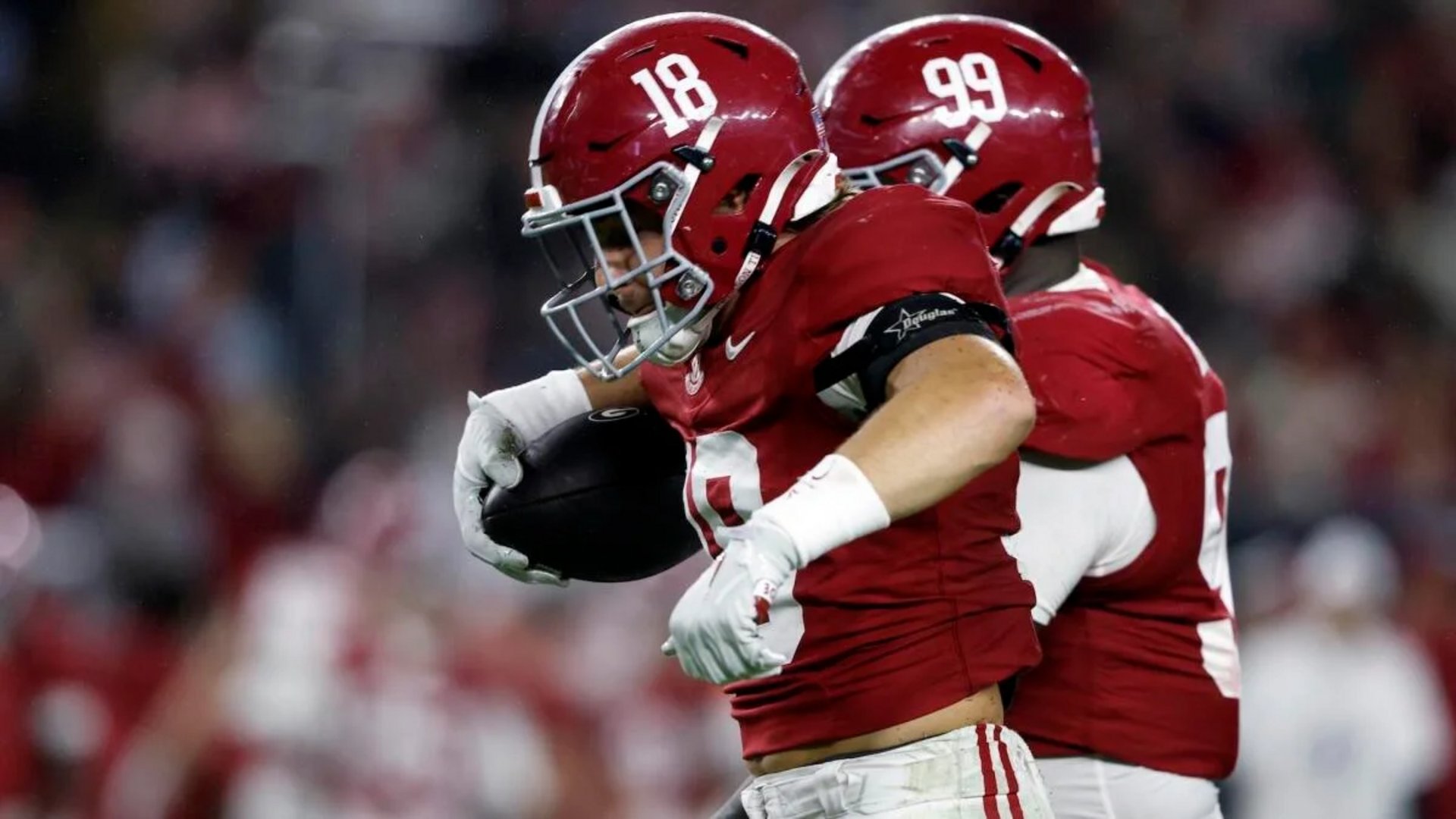
Isaiah Horton’s arrival in College Station introduces a physical X‑type receiver the Aggies have not regularly featured in recent seasons. His 6‑4, 215‑pound frame and documented red‑zone success immediately change how Texas A&M can plan personnel and play design inside the 20.
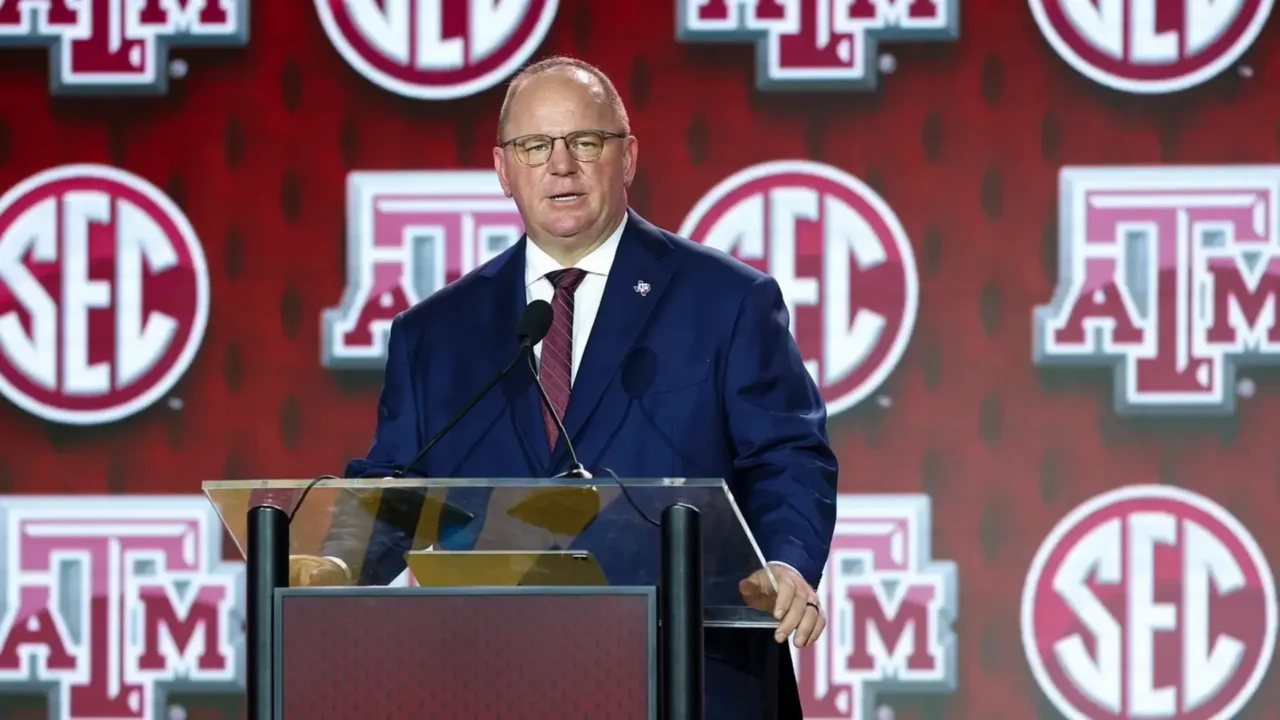
The red‑zone question now sits at the center of Mike Elko’s offensive overhaul, with returning starter Marcel Reed tasked to marshal a retooled receiving room and revamped offensive line. As detailed by Sports Illustrated, Horton’s size and situational touchdown production are the primary reasons the Aggies expect a different look when the field shrinks.
Key Takeaways
- Texas A&M retooled multiple spots on offense, including the offensive line, ahead of a season with raised expectations in College Station.
- Isaiah Horton adds a prototypical X‑receiver frame at six‑foot‑four and 215 pounds, bringing a clear red‑zone profile to the roster.
- Marcel Reed returns at quarterback, and Horton’s arrival raises the central on‑field question of how the Aggies will finish drives near the goal line.
- Returning targets Mario Craver, Ashton Bethel‑Roman and Terry Bussey give the offense complementary options while Horton provides a distinct inside threat.
How Isaiah Horton fits the Aggies red-zone plan
Horton’s tape and the recent reporting show he lined up most often on the weak side at Alabama but produced when the field compressed inside the 20. That profile—size, contested catch ability and an aptitude for finding pockets in traffic—aligns with how many staffs design scoring plays inside the 10.
At Alabama Horton finished with seven receptions for 52 yards where seven of his eight career touchdowns came from the opposing 19‑yard line to the goal line. The reporting also notes five receptions for 23 yards with five of those touchdowns coming from the nine‑yard line and in, and a standout Iron Bowl performance with five catches for 35 yards and three red‑zone touchdowns.
Those situational numbers matter because Texas A&M’s receiving room otherwise features different skill sets. Mario Craver, Ashton Bethel‑Roman and Terry Bussey each present route‑running and separation traits that help sustain drives, while Horton brings contested‑catch and red‑area finishing capability that was less prominent on last year’s roster.
Horton’s alignment and play‑design fit
When lined up on the weak side, Horton offers route versatility—vertical clearouts, over‑the‑middle fades and quick seam work—that forces defenses to allocate bigger personnel near the goal line. That allows the Aggies to pair him with boundary‑based route concepts and tight‑end rubs without losing size in the box.
For Mike Elko’s offense, the presence of a true X‑receiver who can win in traffic adds predictable red‑zone leverage and expands play‑call geometry for Marcel Reed in two‑minute and goal‑line sequences.
Red-zone production and room comparison
| Player or Group | Red‑Zone Production | Projected role in College Station |
|---|---|---|
| Isaiah Horton | Seven receptions for 52 yards with seven of eight TDs from the 19‑yard line to the goal line; five catches for 23 yards and five TDs from the nine‑yard line and in; 5 REC, 35 YDS, 3 TDs vs Auburn (all red zone) | Primary contested‑catch and red‑zone target with X‑receiver alignment and seam/fade usage |
| Returning Aggie receivers (Mario Craver, Ashton Bethel‑Roman, Terry Bussey) | Individual red‑zone totals were not provided in the reporting, but each returns as an interior and boundary option with complementary skill sets | Route‑running and separation to sustain drives; expected to complement Horton rather than replicate his contested‑catch role |
How Horton alters A&M red-zone roster and CFP outlook
Adding Horton reshapes roster construction by inserting a near‑automatic schematic answer inside the 20 without having to rely solely on tight ends or packaged plays. That can influence personnel groupings, limiting the need for jumbo packages on obvious goal‑line downs and allowing the Aggies to keep more speed on the field in formation‑based red‑zone sets.
From a College Football Playoff perspective, red‑zone efficiency is a tangible factor in high‑leverage SEC games. If Horton’s documented scoring profile carries over, Texas A&M could convert more trips into points in close conference matchups, which is meaningful when SEC contests often hinge on a play or two in the fourth quarter.
On recruiting and roster construction, the move signals a willingness to target proven, position‑specific traits rather than chase purely volume‑based pass catchers. That clarity can affect depth chart decisions in College Station as the staff balances physical boundary targets with inside scoring specialists.
Details for this report were drawn from the original reporting linked above.