NFL player eligibility returning to college emerged as a live roster issue this week after a string of former pros surfaced in the transfer portal, forcing programs such as LSU to recalculate roster and scholarship strategy.
The league issued a clarification — and, per reporting, a player who goes back to college this season would be barred from signing with an NFL team during the 2026 season — a ruling that landed just after former Browns tight end Dae’Quan Wright joined LSU. Reporting from CBS Sports has driven headlines and reaction across the sport.
Key Takeaways
- NFL player eligibility returning to college is now clearer after the league signaled such players would be prohibited from signing an NFL contract in 2026 if they return to school this season.
- The clarification followed high-profile moves like Dae’Quan Wright’s transfer to LSU after clearing waivers and precedes other cases tied to lawsuits and injunctions.
- The SEC adopted a ban on former professional players competing in the conference and finalized penalties that include a half-season head-coach suspension, loss of certain conference voting privileges, and fines up to 50% of a sport’s operating budget.
NFL player eligibility returning to college and how the clarification unfolded
The league moved to clarify how it will treat players who return to college after NFL stints at roughly the same time that multiple former pros entered the portal.
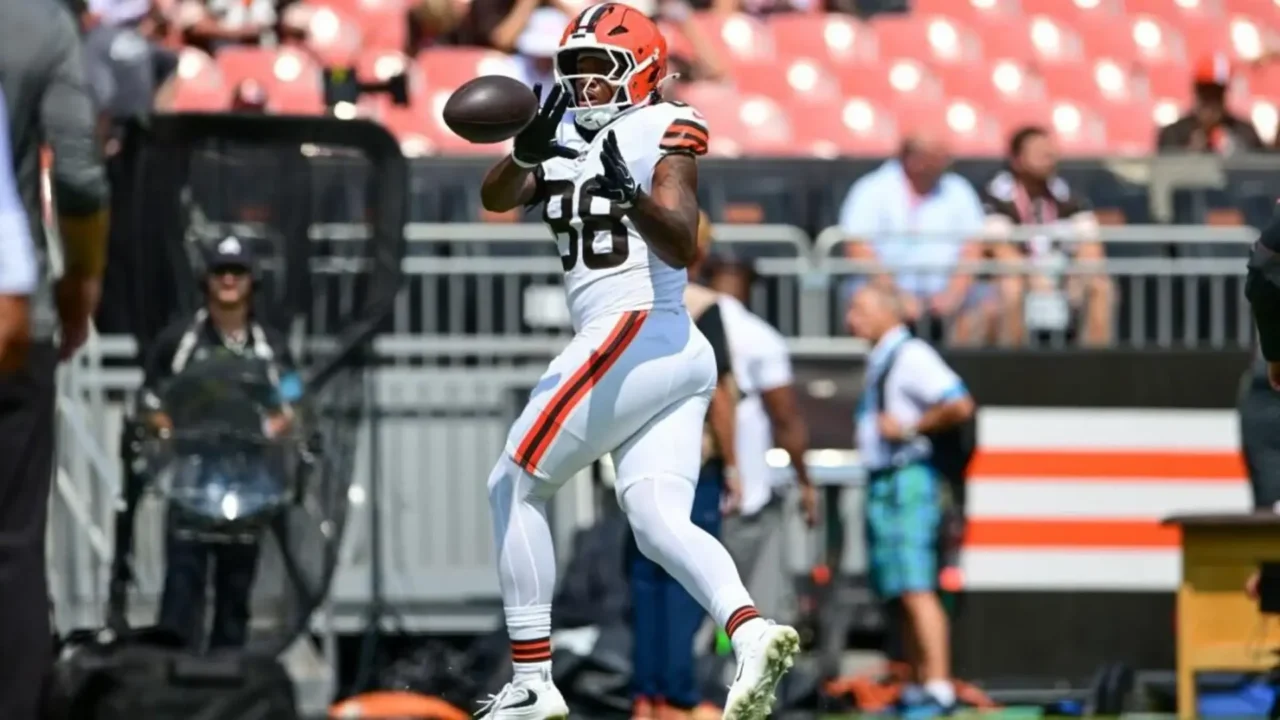
Dae’Quan Wright, who cleared waivers after his release by Cleveland, was identified in the reporting as the first player with NFL experience to enter the portal and join LSU, which accelerated league and conference discussions.
The NFL reminder that a player who returns to college would be barred from re-signing in 2026 is tied to the practicalities of free-agent rules and waiver timelines, and it adds a new wrinkle for programs weighing short-term roster gain against longer-term eligibility risk.
Legal rulings and player cases
Several of the transfer cases landed in court or relied on administrative decisions, creating a patchwork of outcomes and ongoing legal risk.
Defensive tackle Zxavian Harris entered the portal after clearing waivers and following successful litigation in Louisiana, while Cole Hutson pursued a temporary injunction to secure eligibility after participating in NFL minicamps but not signing a contract.
Junior Tuihalamaka returned to LSU after the NCAA granted him another year of eligibility, showing the varied legal and administrative paths players have taken to re-enter the college game.
How programs are adjusting recruiting and roster strategy
On the recruiting trail, programs are treating recent NFL experience as another roster lever, but one that carries new compliance and suspension risk within the SEC.
LSU coach Lane Kiffin has been explicit that his program isn’t the only one pursuing former pros, and his approach reflects a broader willingness among Power Five staffs to chase immediate impact players despite legal uncertainty.
At the same time, conferences and compliance offices are scrambling to interpret the SEC ban and apply the new penalties, forcing athletic directors and coaches to weigh short-term competitive gains against possible program-level sanctions.
Comparing recent player returns and outcomes
| Player | Pro status | Route back to college | Current reported outcome |
|---|---|---|---|
| Dae’Quan Wright | Former NFL roster player who cleared waivers | Entered transfer portal after NFL release | Joined LSU after clearing waivers |
| Zxavian Harris | Spent time with an NFL team and cleared waivers | Entered transfer portal following successful Louisiana lawsuit | Joined LSU after legal action |
| Cole Hutson | Participated in NFL minicamps but did not sign a contract | Sought temporary injunction to secure eligibility | Added to Texas roster after legal action |
| Junior Tuihalamaka | Former Notre Dame pass rusher with prior college eligibility | Returned after NCAA granted an additional year | Joined LSU with approved eligibility |
SEC penalties and NFL player eligibility returning to college implications
The SEC’s new policy bans players who signed professional contracts, were listed on professional rosters, or participated in professional drafts from competing in the conference, and the league has finalized a severe penalty framework for violations.
Penalties include a half-season suspension for the head coach, loss of certain conference voting privileges and the prospect of fines up to 50% of a sport’s annual operating budget, with commissioner discretion for additional measures.
LSU’s president abstained from the vote about penalties after previously supporting the underlying ban, an internal split that underscores how institutions are managing governance concerns and public optics while programs chase immediate roster help.