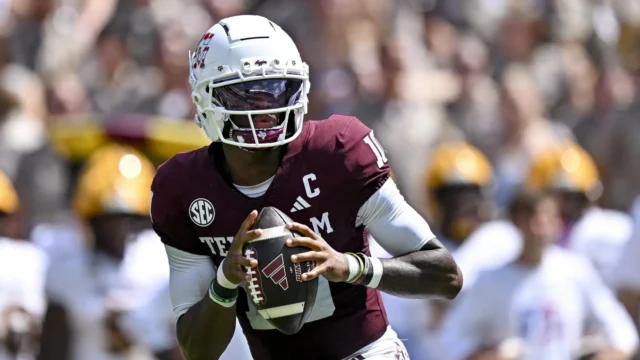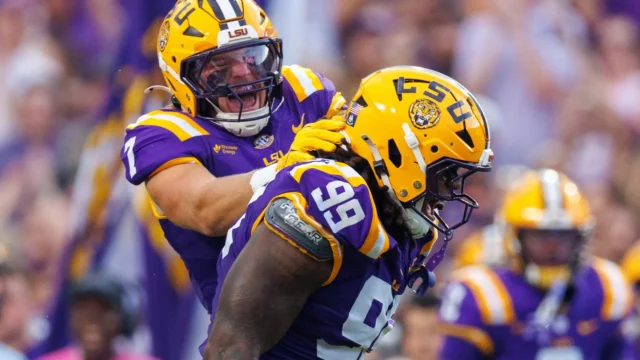
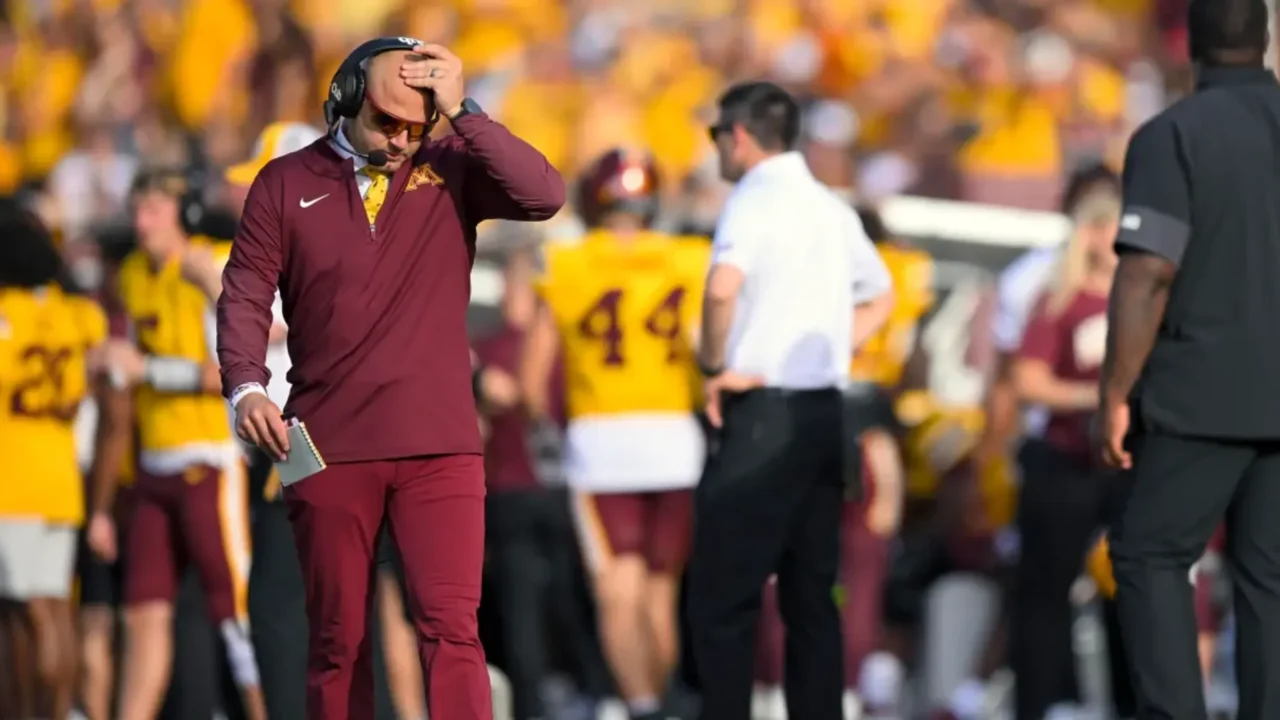
Minnesota vs Mississippi State ended in a sobering 38-13 loss for the Gophers at Huntington Bank Stadium, a defeat that raises immediate questions about playcalling, offensive-line play, and staff construction.
Reporting from The Daily Gopher lays out how four long scoring drives, anemic rushing production, and a parade of penalties combined to turn a home game into a rout that will echo through the rest of the non-conference slate.
Key Takeaways
- Minnesota failed to score an offensive touchdown and totaled only 13 rushing yards in the loss.
- Mississippi State converted four consecutive first-half touchdown drives of 70-plus yards and averaged 13.9 yards per pass and five yards per carry in that stretch.
- Minnesota was flagged 12 times while Mississippi State drew six penalties, which compounded Minnesota’s offensive struggles.
- Minnesota’s special teams produced two field goals beyond 40 yards, two punts pinned inside the 5, a 36-yard kickoff return, and a late blocked field goal.
Minnesota vs Mississippi State film breakdown
Mississippi State built a lead by methodically moving the ball on every early drive and converting key third downs to sustain possessions.
The Bulldogs completed multiple long drives in the first half, entering halftime after four consecutive touchdown possessions of 70-plus yards and producing efficient bursts in both the passing and running games.
Minnesota’s quarterback situation became reactionary once the Gophers fell behind, as Drake Lindsey finished with a high-volume 31-of-48 passing line for 279 yards while the team largely abandoned its ground plan.
How Mississippi State built the lead
The Bulldogs attacked consistently on early downs, building rhythm and rarely facing meaningful pressure in the pocket.
Per the reporting, Mississippi State went 4-for-4 on third down in the first half and turned sustained drives into points, a sequence that tilted field position decisively in their favor.
Even when Minnesota made sporadic stops, penalties and missed tackles erased chances to flip possessions quickly and allowed long Bulldog drives to resume.
Why Minnesota offense and playcalling failed
The offensive portrait was stark: Minnesota registered 13 rushing yards and produced no offensive touchdowns, results the staff must answer for immediately.
Greg Harbaugh Jr.’s offense showed limited creativity and insufficient explosive plays while offensive-line performance routinely prevented meaningful ground-game progress.
The report also notes roster health concerns, including Darius Taylor being limited and T.J. Thomas taking the bulk of carries without materially changing the running-game outcome.
Salary context for coordinators was included in the analysis, listing Harbaugh Jr.’s salary at $845,000 and defensive coordinator Danny Collins at $745,000 as part of critique within the Big Ten pay scale.
Special teams were the lone bright spot
Daniel Da Prato’s units produced clear wins in the battle for field position and scored points when the offense could not.
Luke Drzewiecki made two field goals from beyond 40 yards in his Minnesota debut and Tom Weston pinned Mississippi State inside the 5-yard line twice, limiting damage after Bulldog drives.
Freshman returner Quad Hendryx produced a 36-yard kickoff return, and Minnesota capped the night by blocking a 20-yard field goal with about a minute remaining.
Minnesota non-conference Power 4 context
| Category | Minnesota | Mississippi State |
|---|---|---|
| Recent non-conference record vs Power 4 | Lost four straight regular-season non-conference matchups against Power 4 opponents dating back to 2023 | Entered the game 2-0 and executed sustained scoring drives |
| Offensive execution | Failed to score an offensive touchdown and totaled 13 rushing yards | Produced multiple long touchdown drives and efficient first-half production |
| Penalties and discipline | Flagged 12 times, costing momentum and negating several drives | Drew six flags, benefiting from fewer self-inflicted setbacks |
| Special teams impact | Converted long field goals, pinned opponents deep, recorded a long kickoff return, and blocked a field goal | Was unable to offset Minnesota’s special-teams advantages in field position |
Mississippi State result reshapes Minnesota recruiting and CFP optics
This home blowout intensifies scrutiny on staff construction and roster-building choices as Minnesota moves deeper into a non-conference slate where perceptions matter for recruiting and playoff positioning.
Repeated non-conference losses to Power 4 programs create talking points for prospects evaluating competitive readiness, and continued offensive stagnation will force staff decisions on scheme, personnel usage, and accountability.
On the CFP front, a decisive home loss can damage projected strength of schedule and national perception that voters and the committee weigh in close races.