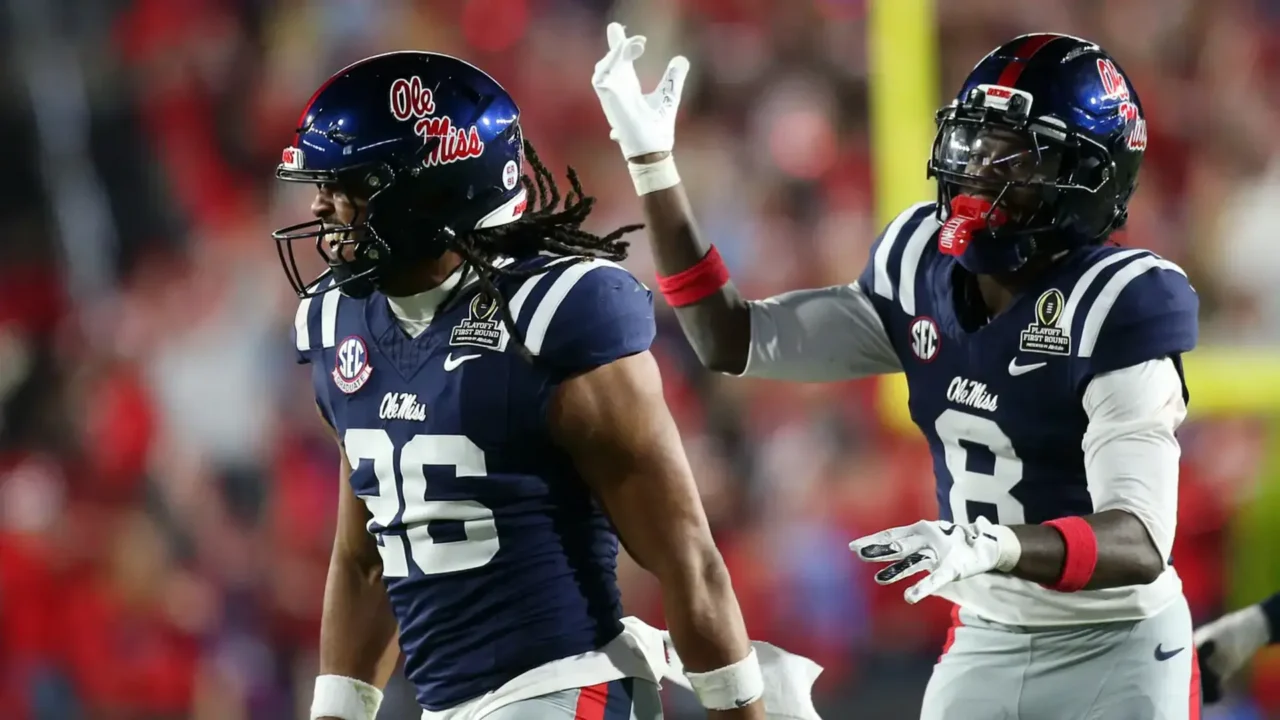
Pete Golding has remade the Ole Miss secondary through the transfer portal and internal development, giving the Rebels positional flexibility they lacked under the previous staff. As detailed by Ole Miss Rebels On SI, that shift is built around veteran portal additions and a pair of promising returners who flashed in 2025.
Antonio Kite projects as the perimeter leader with breakout upside, and incoming transfers bring SEC experience that can be plugged into early-season rotations. The result is a unit Golding can rotate to preserve speed and tackling over a full SEC slate.
Key Takeaways
- Pete Golding used the transfer portal to add multiple experienced defensive backs and improve depth across the secondary.
- Antonio Kite is projected to lead the unit and is viewed as a potential breakout player entering the 2026 season.
- Transfers like Jay Crawford and Joenel Aguero bring SEC experience and specific strengths that address tackling and immediate playing needs.
- The new additions create rotational options that allow the Rebels to keep the secondary fresh in high-tempo SEC games.
Ole Miss secondary reshuffle
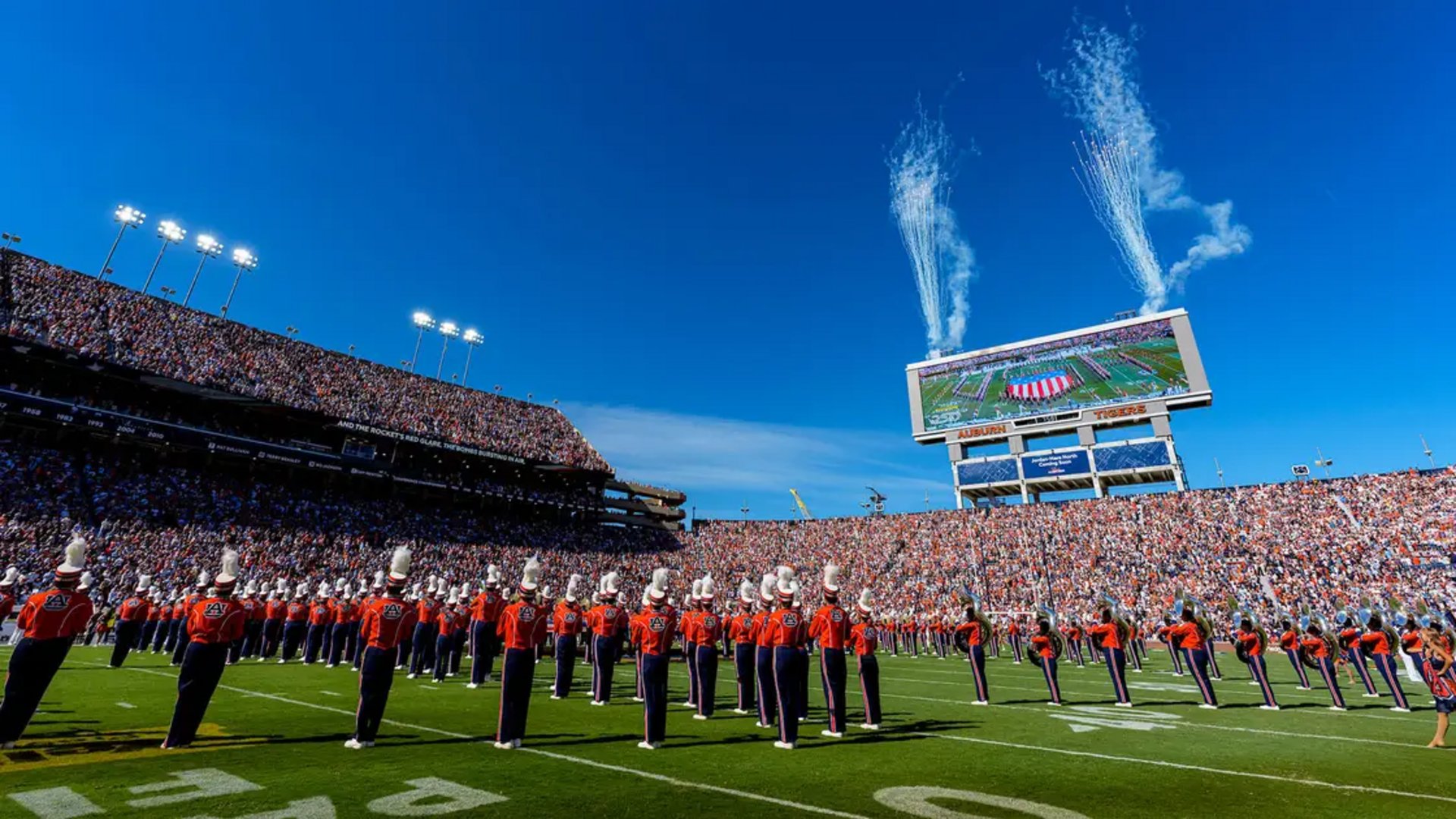
Golding’s portal work targeted SEC toughness, tackling ability, and positional versatility. Jay Crawford arrives from Auburn with conference snaps and projects as an immediate corner rotation option.
Joenel Aguero came from Georgia to bolster safety run defense and physical tackling while offering coverage snaps in sub-packages. Trey Amos, a prior transfer coached by Golding, has set the performance standard in the room and gives younger corners a veteran benchmark.
Returning pieces like Antonio Kite and Jaylon Braxton provide internal continuity, with Kite expected to carry primary perimeter responsibility. Braxton’s 2025 flashes in ball-tracking and speed give coaches another internal option in the nickel and boundary rotations.
How Golding will use rotation to keep the group fresh
More capable bodies allow situational personnel groups for coverage-heavy series and the ability to stagger snaps after physical drives to maintain speed late in games. Rotation becomes a tool to limit matchup fatigue across a long SEC schedule.
Early camp rotation and nonconference snaps will accelerate evaluation and help coaches identify the best transfer-returner pairings before key SEC matchups. That approach should reveal which combinations settle into consistent chemistry for the regular season.
Positional background and projected roles
| Player | Background and Strengths | Projected Role |
|---|---|---|
| Trey Amos | Transfer who was coached by Pete Golding and previously recognized as the most consistently elite DB on recent Ole Miss units | Veteran boundary presence and performance benchmark for younger corners |
| Jay Crawford | Transfer from Auburn with SEC game experience and early-career starting reps | Immediate corner rotation candidate expected to see early snaps |
| Joenel Aguero | Transfer from Georgia known for run-stopping and strong tackling as a safety with ball skills in passing situations | Heavy-run-down support and sub-package safety work |
| Antonio Kite | Returning corner projected to be the roster leader with breakout potential after 2025 contributions | Primary perimeter starter and likely focal point of the 2026 corner group |
| Jaylon Braxton | Returning defensive back who flashed ball-tracking ability and speed during 2025 | Rotational boundary or nickel option with upside on contested plays |
SEC implications for Ole Miss depth and CFP positioning
Depth in the secondary has immediate recruiting value because prospects can see clear development routes and a room where younger players can learn behind proven SEC performers. That narrative helps selling the program to secondary recruits who prioritize both early opportunity and position coaching.
From a College Football Playoff perspective, an effective, deep secondary reduces the variance in high-leverage games against top passing attacks and helps protect a defense over the second half of the season. The ability to rotate and maintain speed in coverage matters when league opponents and playoff contenders test depth.
NIL and roster construction are influenced indirectly by role clarity for transfers and returners, which lets the staff balance short-term upgrades with long-term recruiting goals. That balance supports sustained competitiveness across the expanded SEC format.