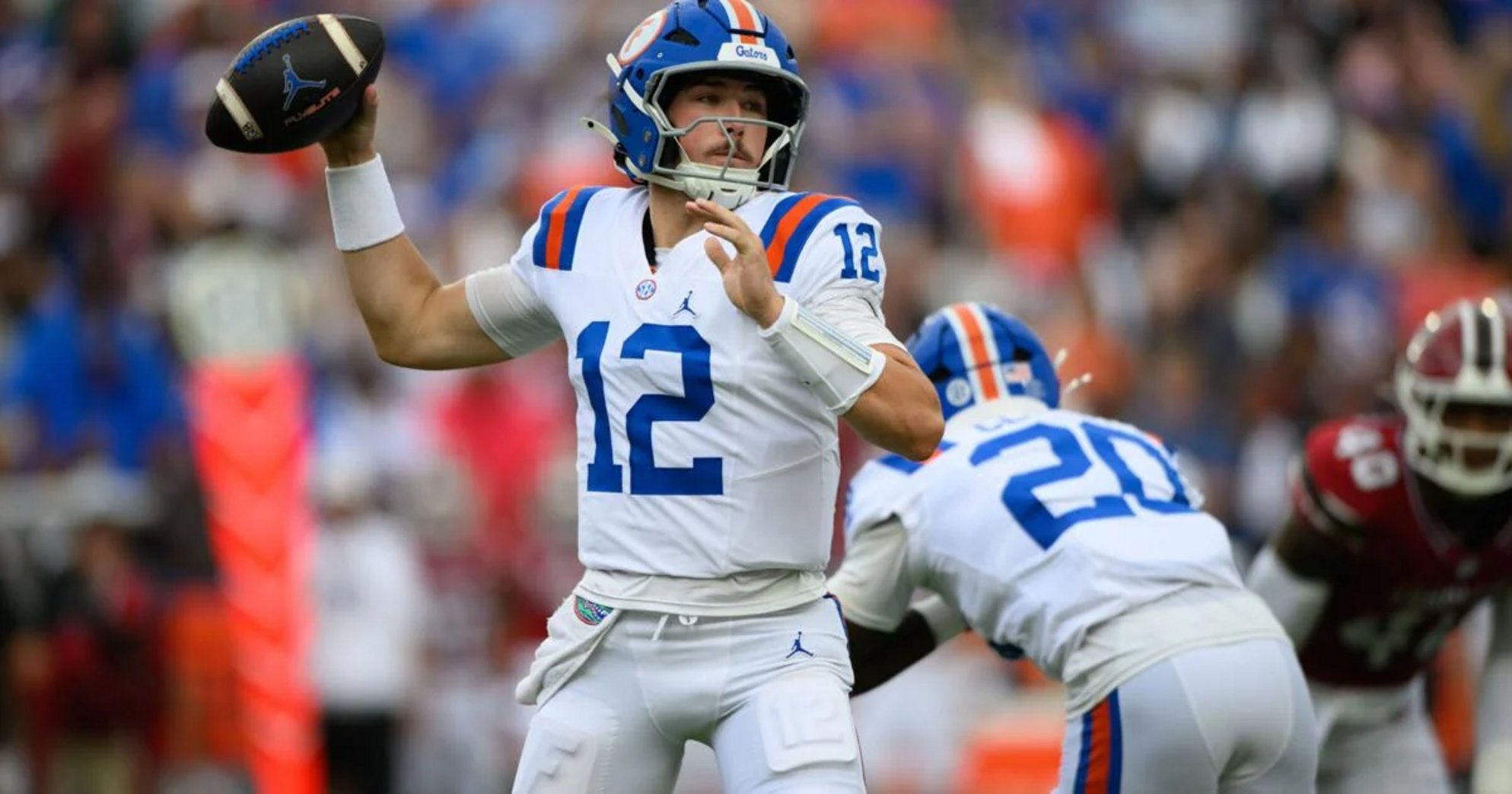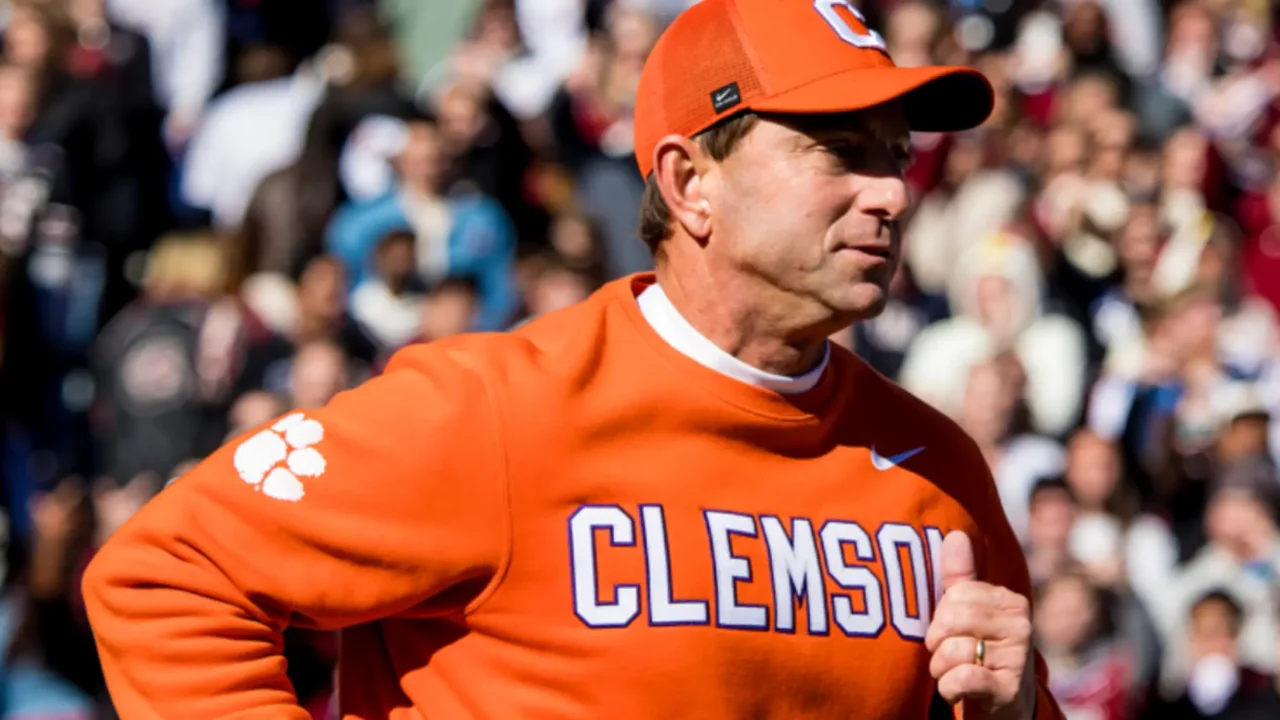
Clemson’s offense stalled in Death Valley, producing just 54 total yards and one first down, a collapse that pushed head coach Dabo Swinney to turn to freshman quarterback Tait Reynolds late in the opening 30 minutes.
Swapping quarterbacks at halftime signaled urgency from the sideline and a willingness to alter the game plan; full reporting and Swinney’s post-halftime comments are available in the linked report On3
Key Takeaways
- Clemson managed just 54 total yards and one first down in the first half against LSU.
- Swapping in Tait Reynolds late in the first half followed Dabo Swinney calling the opening 30 minutes “really poor.”
- Starter Christopher Vizzina was 6-for-11 for 51 yards and threw one interception in the first half.
- The Clemson ground game was held to minus-4 yards in the first half with four different ballcarriers.
Why Clemson turned to Tait Reynolds
Putting Tait Reynolds into the game before halftime was a direct response to an offense that lacked rhythm and production, Swinney said, and it represented a clear attempt to change momentum against a physical LSU front.
Swinney’s halftime assessment was blunt: “I mean we’ve really been poor on offense, just not in any type of rhythm,” he said, and that bluntness framed why the staff elected to get Reynolds snaps late in the half.
The choice wasn’t driven by narrative or hype alone; starting quarterback Christopher Vizzina completed just six of 11 passes for 51 yards and threw an interception, while Clemson’s rushing attack was neutralized for minus-4 yards through the opening 30 minutes.
With one first down and four different players carrying the ball in the half, Clemson’s identity as a complementary offense evaporated early and the staff signaled it was willing to experiment under real-game pressure.
How Reynolds’ profile influenced the decision
Television commentary ahead of the game highlighted Reynolds’ physical traits, and that scouting perspective mattered when the Tigers needed a jolt.
Broadcaster Pat McAfee described the freshman as an imposing athlete and suggested the staff could use Reynolds as an alternate look alongside Vizzina.
That kind of physical upside matters in-game when an offense is failing to sustain drives; a different quarterback profile expands the play-calling palette and forces opponents to prepare for distinct tempo and run-pass balance.
First half performance comparison
| Metric | First half result |
|---|---|
| Total offense | 54 total yards |
| Starting quarterback | Christopher Vizzina 6-for-11, 51 yards, 1 INT |
| Team rushing | -4 rushing yards (four different carriers; one positive carry) |
| First downs | 1 first down in the opening 30 minutes |
How Reynolds could affect Clemson’s playcalling and roster construction
Inserting a freshman with a different physical profile gives the offensive staff options they didn’t have when the game plan relied on Vizzina as the primary signal-caller.
A mobile, physical quarterback can expand run-pass threat combinations, force opponents to account for quarterback keepers and designed read concepts, and open play-action windows for downfield shots if the opponent overcommits to stopping the ground game.
Swapping quarterbacks also serves a diagnostic purpose by revealing what the offense can execute under pressure and how the offensive line and skill players respond to a change in cadence and movement at the position.
From a roster-construction standpoint, meaningful second-half reps for Reynolds would accelerate internal evaluation — not simply as a one-game fix but as a test of how the staff manages a quarterback room under pressure and how recruiting narratives adapt to an actual in-game sample.
That sample matters for staff decisions about practice rep allocations, game-planning against SEC fronts and where the program prioritizes developmental resources within the quarterback room.
How the quarterback move affects Clemson’s SEC path
At the conference level, sudden in-game changes at quarterback can ripple through Clemson’s season trajectory by altering short-term competitiveness and long-term depth charts.
If Reynolds forces a sustained role, opponents in the SEC will need to prepare for a two-style look that complicates defensive game-planning and could influence how Clemson approaches key league matchups.
Beyond individual games, the willingness to use a true freshman in pressure situations speaks to a staff ready to pivot when necessary and can shape recruiting conversations about opportunity and role availability for quarterbacks evaluating the program.